
- Search
- Riyadh26 ° C


Sergey Young Biography and Why Longevity Investing Stopped Looking So Unusual
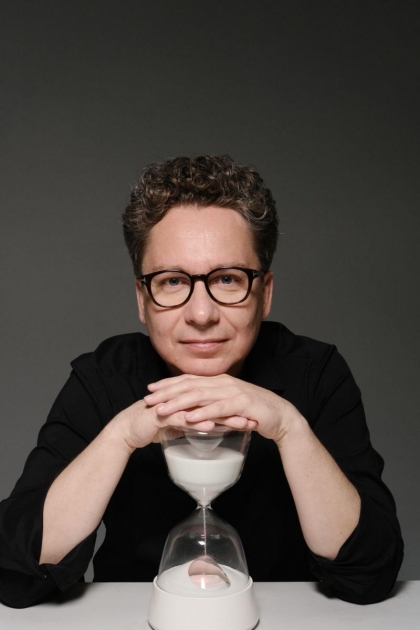
Sergey Young Biography and Why Longevity Investing Stopped Looking So Unusual
Not that long ago, longevity still sounded like something sitting outside ordinary healthcare discussions. Most conversations happened either at biotech conferences or among investors willing to wait years for uncertain results. For many people, the subject still felt distant and somewhat abstract.
Then healthcare systems in different countries started facing very similar problems at roughly the same time. People were living longer, but medical costs continued rising, while chronic illnesses became more expensive to treat almost every year. Because of that, hospitals and healthcare providers started speaking more openly about prevention, since late-stage treatment was turning into a serious financial burden.
Around the same time, artificial intelligence also started moving into diagnostics and pharmaceutical research. The subject suddenly stopped sounding quite so futuristic. That shift also brought more attention to Sergey Young Investor and projects connected with healthy aging technologies.
Sergey Young Investor and the Growing Focus on Prevention
The name of the investor became strongly connected with Longevity Vision Fund after the launch of the project in 2019. The fund concentrated on diagnostics, regenerative medicine, AI-assisted drug discovery, and prevention-oriented healthcare technologies.
A few years earlier, many investors still approached longevity startups carefully. Biotechnology usually involves long testing cycles, complicated regulation, and very large financing requirements. Compared with software companies, the process felt slower and harder to predict.
Still, attitudes gradually started shifting. More investors became interested in technologies capable of identifying diseases earlier instead of waiting until treatment became more difficult and expensive. AI tools also started helping researchers process medical information faster than before.
That slow transition became part of Sergey Young Biography itself. His public role moved beyond venture capital discussions and became more connected with conversations around aging research, prevention-focused medicine, and healthcare technology.
Sergey Young and Healthspan XPRIZE
One project especially associated with Young is Healthspan XPRIZE, the international competition focused on improving muscle, cognitive, and immune function in older adults. The initiative attracted attention quickly because of its size. With a prize pool of $101 million, it became one of the largest public projects connected with aging research.
The idea behind the competition sounded fairly direct. Instead of presenting longevity as science fiction, the project treated aging as something measurable through research and testing. Teams from several countries started developing technologies intended to improve healthspan and slow biological decline later in life.
The competition also pushed Sergey Young Biography further into broader healthcare discussions. His involvement connected him not only with investing, but also with nonprofit scientific initiatives and international health programs.
Why Gulf Countries Started Paying More Attention to Longevity
Another visible shift inside the industry is the increasing role of healthcare investment coming from Gulf countries. Across the Middle East, governments and investment groups increased spending on biotechnology, preventative medicine, and AI systems connected with healthcare. Longevity research became part of that movement partly because aging populations and rising medical costs are becoming difficult economic issues in many regions.
This is where Sergey Young Investor became linked with larger international initiatives supported by organizations such as the Hevolution Foundation. The foundation supported Healthspan XPRIZE and helped move longevity discussions beyond relatively narrow biotech communities. Over time, the topic started appearing more often in conversations connected with healthcare planning, medical infrastructure, and long-term strategy.
Healthcare forums in Abu Dhabi and Riyadh also helped make the region more visible in discussions around prevention-focused medicine and healthspan technologies.
Longevity Investing Looks Different Today
Today the field overlaps with diagnostics, artificial intelligence, prevention-focused medicine, and healthcare systems more generally. Pharmaceutical companies, investment groups, and healthcare organizations are all paying closer attention to the same questions connected with aging and long-term health.
That broader shift explains why Young’s name is now associated not only with venture capital, but also with international healthcare initiatives and global healthspan discussions. Of course, not every technology connected with longevity research will succeed. Biotechnology still moves slowly, and many ideas require years of testing before becoming widely adopted.
Still, the field itself no longer feels especially fringe. The public evolution of Sergey Young reflects that change fairly clearly — from investor and fund founder to one of the recognizable figures connected with the modern longevity industry.


PIF near to get EU nod for Electronic Arts acquisition: Report
Sunday 19 July, 2026 7:05
Mawani signs SAR 1B logistics deals in Jeddah
Sunday 19 July, 2026 7:04
Modon Holding and Nammos Hotels & Resorts bring Nammos Ras El Hekma to Egypt’s North Coast
Sunday 19 July, 2026 6:40
Modon records AED1.25 billion in sales from final phase of Bashayer
Sunday 19 July, 2026 6:34
NBQ reports AED271 million profit in first half of 2026
Sunday 19 July, 2026 6:58